

Stay informed
Connect with the community working toward a safe future for our sport.
Oops! Something went wrong while submitting the form.
Connect with the community working toward a safe future for our sport.
South Australia is dealing with a record-breaking drought impacting farmers, animals and bushland. At the same time, warmer ocean waters have led to a catastrophic algal bloom killing marine animals and devastating coastal communities and industry.


Over the past two years, rainfall in parts of South Australia hit record lows. Despite some relief in June and July 2025, last year’s rain was not enough to refill rivers or rebuild the water reserves critical for long-term farming and ecological recovery.
This drought points to a longer-term shift: for decades now, southern Australia’s cooler seasons have had below-average rainfall. The long-term decline in rain has placed sustained pressure on rivers, storages and ecosystems, and on the communities that depend on them.

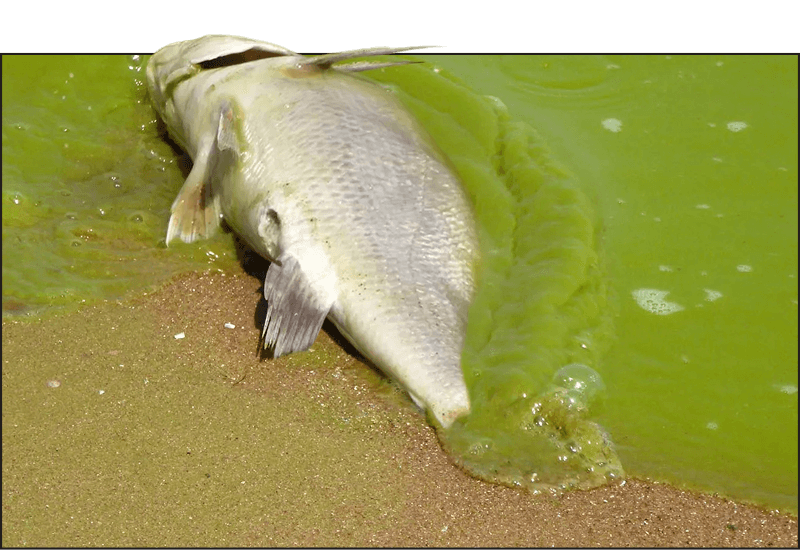
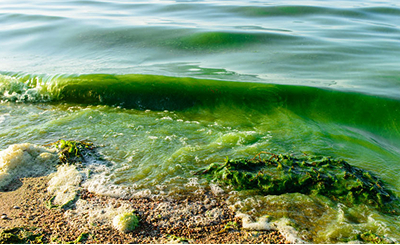
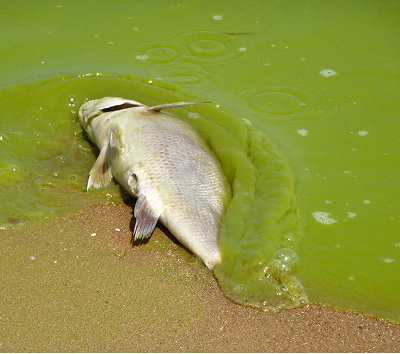
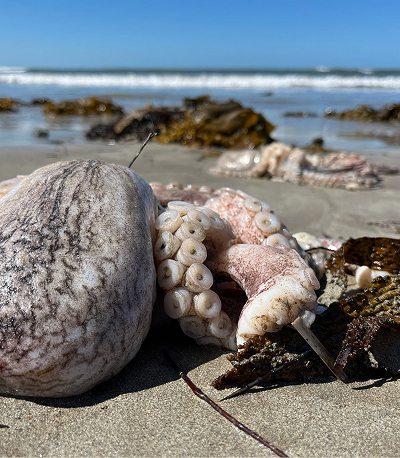
Since early 2025, an algal bloom in the waters off South Australia has been suffocating marine life by producing toxins and depleting oxygen. Within months of it first being detected, tens of thousands of marine animals, from hundreds of species, were reported dead. Thousands of fish, stingrays, seadragons and even dolphins have washed up along the coast.
The main culprit is a microscopic algae named Karenia, which under normal conditions is harmless. But in 2025, it multiplied massively and spread widely, impacting thousands of kilometres of ocean and coastline.
According to experts, a marine heatwave has contributed to the algal bloom that began in September 2024 and raised sea temperatures around 2.5C above normal.
The Tour Down Under should not belong to Santos. South Australia may be the home to this gigantic polluter, but the state also has a great clean energy story to tell. It’s a renewables powerhouse and has led the world in clean energy innovation.
Can a race celebrating endurance, nature and pedal power keep its credibility while sponsored by a major carbon polluter?
Can the Tour Down Under continue to run in peak summer as the world warms, fuelled by products of its naming rights sponsor?
It’s time to make some noise about the hypocrisy of this sponsorship, and all fossil fuel sponsorships in cycling.
We love sport and we want to see it thrive. We understand the resourcing challenges sport faces. But let’s contemplate a tour with clean, value-aligned sponsors – aligned to our future, not entrenched in the past.